


Embabi Games
Ziad Embabi
Embabi Games is a football auction game built for playing with friends, and I found its appeal comes from the social tension rather than from complicated presentation. You are not simply watching a match or controlling a player on the pitch. The interesting part is deciding when to bid, when to hold back, and how much confidence to place in your choices while other people are trying to outthink you. That makes it a simulation game with a very different rhythm from a conventional football title.
My first impression is that it is easiest to enjoy when everyone understands that the fun is in the auction decisions. A group can turn a short session into a lively contest, especially when friends already have their own opinions about football players and tactics. It is free, carries an Everyone age rating, and comes from developer Ziad Embabi. The store summary presents it as a football auction game to play with friends, which is a simple description, but it points toward the experience accurately.
There is also a practical reason to consider it. The game has passed 500 thousand installs and holds a 4.0 average from roughly 28 thousand ratings, so it is not an obscure experiment that nobody has tried. Those figures do not guarantee that every group will enjoy it, but they do suggest that the basic idea has found an audience. I would recommend approaching it as a focused party-style football game, not as a replacement for a full football simulator.
How the auction pace feels in ordinary play
The speed of Embabi Games depends less on graphics or technical spectacle and more on the people around the session. When players know what they want, bidding can move quickly. When everyone is calculating, teasing one another, or waiting for someone else to spend first, the same game becomes slower and more deliberate. I like that variation because it gives the title a conversational quality that a standard match often lacks.
For a quick gathering, I would establish the basic rules before starting and agree that players should keep their turns moving. That small bit of preparation matters. Without it, a football auction can become a series of pauses while somebody reconsiders every choice. With it, the game feels much more energetic, and the focus stays on the changing value of each opportunity.
Related News






A useful habit is to decide on a broad plan before the auction becomes intense. I would identify the positions or player types that matter most to my intended team, then keep some flexibility for bargains. Spending everything early may feel satisfying, but it can leave a player unable to respond when a more important option appears later. Conversely, being too cautious can mean ending with resources unused and a team that does not reflect the original plan.
This is one of the less obvious strengths of the game: it rewards restraint as much as enthusiasm. A friend who always bids aggressively may look dominant at the beginning, yet that approach can become predictable. I found the most enjoyable sessions came from watching patterns, noticing who was desperate for a particular choice, and making decisions based on the table rather than on personal preference alone.
The pace is not likely to satisfy someone looking for constant physical action. There is no reason to choose this over a traditional football game if your priority is dribbling, passing, shooting, or a live match presentation. Its speed is mental and social. That distinction is important before downloading it, because the store description is brief and a reader could otherwise expect a conventional football simulation.
Gallery
What happens when several people are competing
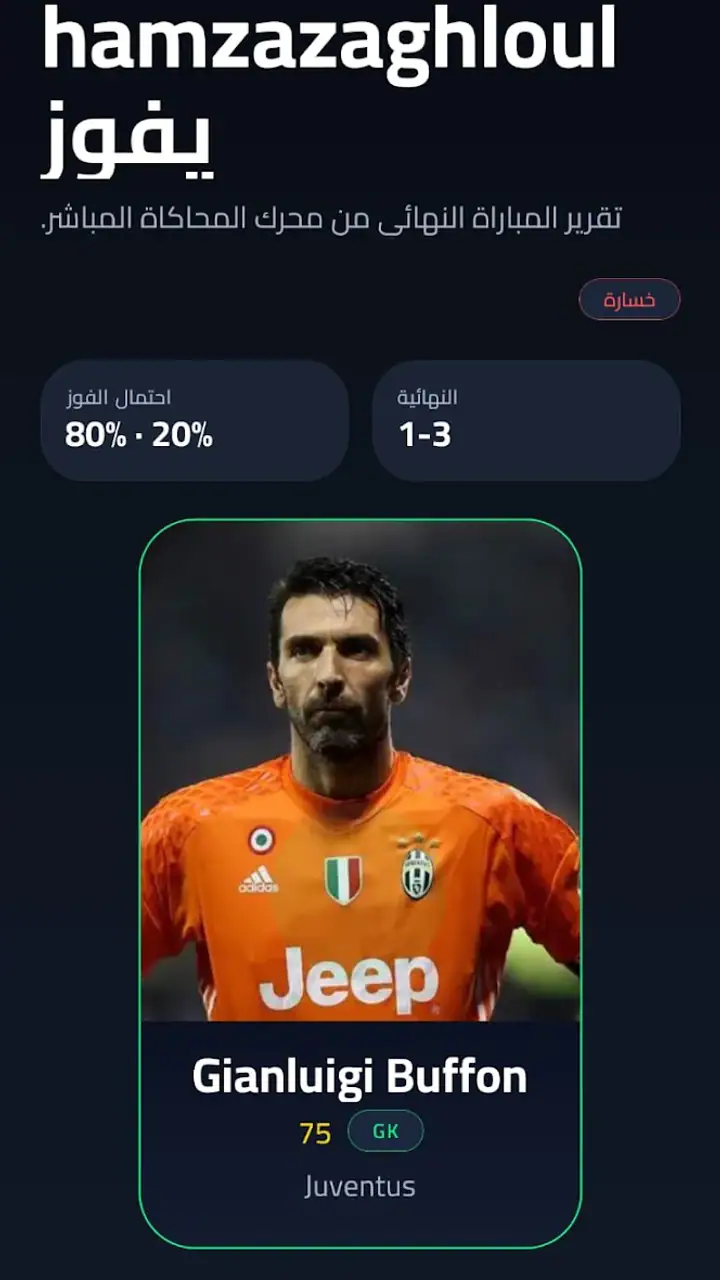
Heavy use here means a busy session with several people making decisions, not necessarily a visually demanding match. The pressure rises when multiple players want the same target. At that point, the game becomes a test of timing and budget discipline. I would avoid treating every auction as a must-win moment. Letting another player overpay can be more valuable than forcing a contest that damages your own later options.
Another practical tip is to track what each participant appears to need. Even a simple mental note can improve decisions: who has already filled a position, who is saving resources, and who has shown a willingness to bid quickly. This turns the session from random clicking into a readable contest. It also makes the game more rewarding for experienced groups, because familiarity with friends becomes part of the strategy.
There is a trade-off, though. The more seriously the group takes the auction, the more important clear turn order and shared understanding become. A casual group can laugh through mistakes, while a competitive group may become frustrated if someone misses a prompt or misunderstands a rule. I would therefore explain the flow to new players and play one relaxed round before treating the result as meaningful.
In an everyday scenario, I can see this working well during a short break when friends are together and want something more interactive than scrolling through separate apps. One person can suggest the game, everyone joins the same conversation, and the football theme gives the group an immediate topic. It is especially suitable for people who enjoy debating player value but do not want to commit to a full-length football match.
It is less convincing as a solitary pastime. If nobody is available to compete with, the central appeal loses much of its force. Players who mainly use games alone should think carefully about that limitation. A single-player football career or a conventional management simulator would probably offer more lasting value for that audience, while Embabi Games is strongest when the social setting is already in place.
Stability, interruptions, and recovering from a broken session
I would judge reliability here in practical terms: whether a group can begin a session, understand what is happening, and continue without the experience becoming confusing. The game’s simple premise helps because there is not a large world or a long campaign to learn. If a session is interrupted, the cost is mainly the loss of momentum and the need to re-establish the current situation with the other players.
That is why I recommend agreeing on the session structure before everyone starts. Decide who is participating, make sure each person knows when to act, and keep the group conversation available if the game itself does not explain a situation clearly enough. This is not glamorous advice, but it prevents the most common kind of frustration in a social auction game: players remembering the previous state differently.
I also would not begin an important competitive session while multitasking heavily. Notifications, switching between apps, or handing the phone to another person can make a quick decision feel more complicated than it should. A calm setup gives the game a better chance to feel responsive, even when the real challenge is simply keeping everyone synchronized.
The developer is Ziad Embabi, and the current version is 1.3.19. Those details are useful when identifying the correct game on a device, particularly because the short store description is simply “Embabi Games,” which does not explain the football auction concept by itself. I would check that the title, developer, and version match before installing, especially when searching from a device with several similarly named results.
One limitation is that a social game can appear unreliable when the real problem is coordination. If one participant is unsure about the rules or another person is not paying attention, the session may feel broken even when the application is functioning normally. My advice is to separate technical trouble from group confusion: restart the session only after confirming that everyone understands the current turn and objective.
Older phones, operating-system support, and resource expectations
Embabi Games supports devices running Android 7.0 or later, which gives it a relatively broad operating-system reach. That makes it more approachable for people who do not own a recent phone. Still, operating-system compatibility is only the starting point. A phone that can install a game may not provide the same comfort as a newer device, particularly if it is already busy with many background apps or has limited free storage.
I would close unused applications before a group session on an older phone and keep the device charged. That is sensible for any mobile game, but it matters more here because an interruption affects several people at once. If one person’s device becomes unavailable, the social flow stops for everyone. A newer phone is not essential for the concept, but a stable, responsive device makes the auction easier to follow.
The game is not the right choice if you are specifically searching for a visually rich football production that pushes modern hardware. Its appeal is the auction format, not a showcase of device power. That can be an advantage for players with modest phones, since the experience does not need to compete with the expectations created by major football franchises. At the same time, anyone judging value by graphics, animation depth, or a large career mode will probably be disappointed.
Resource demands also depend on how the game is used. A short session with a few friends is a different workload from repeatedly restarting rounds while switching between several apps and conversations. I would keep the game in the foreground during play and avoid treating the phone as a communication hub, browser, and game screen all at once. That workflow reduces distractions and makes decisions feel more deliberate.
For families, the Everyone rating is reassuring from an age-label perspective, but I would still consider the group’s maturity and competitive style. Auction games can become heated when people care about winning. The rating tells you the intended content level; it does not guarantee that every family member will enjoy the pressure of bidding or the arguments that can follow a close decision.
Where it beats ordinary football games—and where it does not
Compared with a traditional football simulator, Embabi Games is much easier to explain to somebody who does not want to learn controls. The focus is on choices and competition around the auction, so the barrier is more about understanding the game’s flow than mastering a virtual pitch. That makes it a better fit for a mixed group in which some people enjoy football but rarely play football games.
Compared with a football management game, it appears more immediate and social. A management title may offer deeper long-term planning, detailed squads, seasons, transfers, and statistics. Embabi Games instead concentrates attention on the auction moment. I prefer the latter when I want a compact group activity, but I would choose the management alternative for a solo player who enjoys building a club over many sessions.
Compared with a general party game, the football theme gives this title a clear identity. Friends who follow football can argue about value naturally, even if they are not experienced gamers. The downside is equally clear: players who do not care about football may find the decisions less meaningful. The game’s strongest subject is also its narrowest audience.
One advanced way to get more from it is to vary the group’s approach from session to session. In one round, players can prioritize balanced teams; in another, they can experiment with aggressive bidding or bargain hunting. The point is not to invent new rules that the game does not support, but to stop every session from becoming a repetition of the same opening strategy. This keeps familiar groups from solving the experience too quickly.
I also recommend judging a player’s success by decision quality, not only by the final result. An auction contains uncertainty, and a sensible choice can still lose when another person bids more. Discussing why someone held back or pushed forward creates a second layer of entertainment after the round. That post-game conversation is something a typical football simulator rarely produces in the same way.
Who should install it and who should skip it
I would point Embabi Games toward friends who want a football-themed activity that encourages conversation, bluffing, and resource management. It suits a group that enjoys arguing over value and can keep the mood friendly when bids go against them. It is also a reasonable option for Android users on older supported operating systems who want something lighter in concept than a full football production.
I would hesitate to recommend it to someone seeking a deep solo experience, realistic match control, or a long career structure. The game’s central idea depends on competition among people, and that social dependency is not a minor detail. If you normally play during commutes with headphones and no one else involved, another football game will likely serve you better.
The free price removes the biggest financial barrier to trying it, but it does not remove the need for the right expectations. Free does not mean universally suitable. The real question is whether you have a group that will enjoy the auction format enough to return to it. If the answer is yes, the low entry cost makes experimentation easy; if the answer is no, the download may have limited value after the first test.
Because the game is rated for Everyone, it can fit a broad age range, but I would introduce it with a relaxed round rather than a high-stakes competition. New players need time to understand how quickly they should act and how much they should reserve for later. That first session is also the best way to discover whether your group enjoys the format or would rather play a direct football match.
My performance verdict after looking at the whole experience
My overall view is that Embabi Games succeeds when it is treated as a compact social simulation, not as a technical showcase. Its perceived speed comes from the auction rhythm, its heavy-use challenge comes from keeping several people coordinated, and its practical reliability depends partly on a clean group setup. The Android 7.0 minimum makes it accessible to a wide range of devices, while the current version, 1.3.19, gives users a clear point of reference when checking the app.
The most important strength is the way it turns football opinions into decisions. You are not merely selecting a favorite player; you are weighing timing, scarcity, and what other people might do next. That creates useful tension without requiring the controls or commitment of a full football simulator. The game is at its best when the phone is the center of a conversation, not when it is used in isolation.
Its limitations are just as important. The experience may feel slow with indecisive players, shallow for people who want a complete football management system, and uninteresting for anyone who does not care about the theme. Older devices should be prepared for a focused session, and groups should agree on the flow before competing seriously. These are manageable issues, but they shape whether the game feels enjoyable or frustrating.
With around 28 thousand ratings and more than 500 thousand installs, it has enough community attention to justify a trial, while the four-star average suggests a generally positive but not flawless reception. I would install it for a football-loving group looking for a different kind of contest. I would skip it for solo play, realistic match action, or deep club management. For the right friends, Embabi Games offers a focused and approachable auction experience whose real performance is measured by how well it keeps everyone thinking, bidding, and talking.
FAQs for Embabi Games
What is Embabi Games, and what type of content does it offer?
Embabi Games is a mobile gaming platform that brings together a selection of casual and entertainment-focused games in one application. Depending on the version available in your region, it may include different game categories, challenges, or interactive experiences. Before downloading, users should check the store description and screenshots because the available content, supported languages, and game catalog can change over time.
Is Embabi Games free to download and play?
Embabi Games can generally be downloaded without an upfront charge, but the exact cost structure may depend on the version distributed through Google Play or the App Store. Some features or games may include advertisements, optional purchases, subscriptions, or other in-app payments. We recommend reviewing the pricing information, payment settings, and user reviews before starting, especially if children may use the device.
Does Embabi Games require an internet connection?
The connection requirements may vary between the games included in Embabi Games. Some titles may work offline after installation, while others can require internet access for loading content, advertisements, account features, updates, rankings, or multiplayer functions. If you plan to play while traveling or with limited data, test the main games first and review the app’s permissions and store listing for current connectivity details.
Is Embabi Games suitable for children and families?
Embabi Games may be appropriate for casual family entertainment, but suitability depends on the individual games, advertising, purchases, and content included in the current release. Parents should check the age rating, privacy information, and in-app purchase settings before allowing children to play. Using parental controls and disabling unauthorized payments is also recommended, since game catalogs and promotional content can change.
What devices are compatible with Embabi Games, and how much storage does it need?
Compatibility depends on the operating system version, device model, and the specific release of Embabi Games. Before installing, check the official Google Play or App Store page for the minimum Android or iOS requirements. The initial download may be relatively small, but additional game files, updates, cached advertisements, and downloaded content can require extra storage, so keeping free space available is advisable.
Pros
- Simple gameplay that is easy for younger players to understand.
- Bright visuals and playful designs make sessions more engaging.
- Suitable for short play sessions on mobile devices.
- Offers family-friendly entertainment without complex controls.
- Can help improve basic reflexes
- attention
- and hand-eye coordination.
Cons
- Some activities may feel repetitive after extended play.
- Limited depth may not satisfy experienced mobile gamers.
- Certain features may require an internet connection.
- Performance can vary on older or low-end devices.
- Ads or in-app purchases may interrupt the overall experience.


